Announcing a micro-wedding is one of the most dreaded conversations engaged couples face. Here's how to have it clearly, kindly, and without backing yourself into a corner — including specific language for different family dynamics.
You've decided on a micro-wedding. You're excited. You know it's right. And then you think about calling your mother.
Announcing a small guest list is genuinely one of the harder parts of planning an intimate wedding. It's not just logistics — it touches family dynamics, expectations, and sometimes decades of assumptions about what your wedding would look like. This guide is practical. It won't tell you to just follow your heart. It will give you specific language for specific situations.
Before the Conversation: Two Things to Decide
First, decide whether your guest list is actually final. If there's a chance you'll adjust it based on family pressure, don't present it as final yet. Families feel deceived when "this is our final decision" becomes "okay, we added six more people." If you're still figuring out the list, say so. If it's locked, say that clearly.
Second, decide who hears it first. The order matters. If your mother's feelings will be hurt that your partner's parents knew before she did, think through the sequence. Generally: immediate family before extended family, in-person or by phone before any text or social announcement.
The Core Message (Keep It This Simple)
"We've decided to have a really small ceremony in the Smoky Mountains — just immediate family and our closest friends. We wanted you to hear it from us directly so you understood why the guest list is limited, and so you know how much it means that you're included."
That's it. Short, warm, clear. The mistake most couples make is over-explaining — launching into the economics, the venue capacity, the reasons they don't want a big reception. That turns an announcement into a negotiation. State it plainly, then listen.
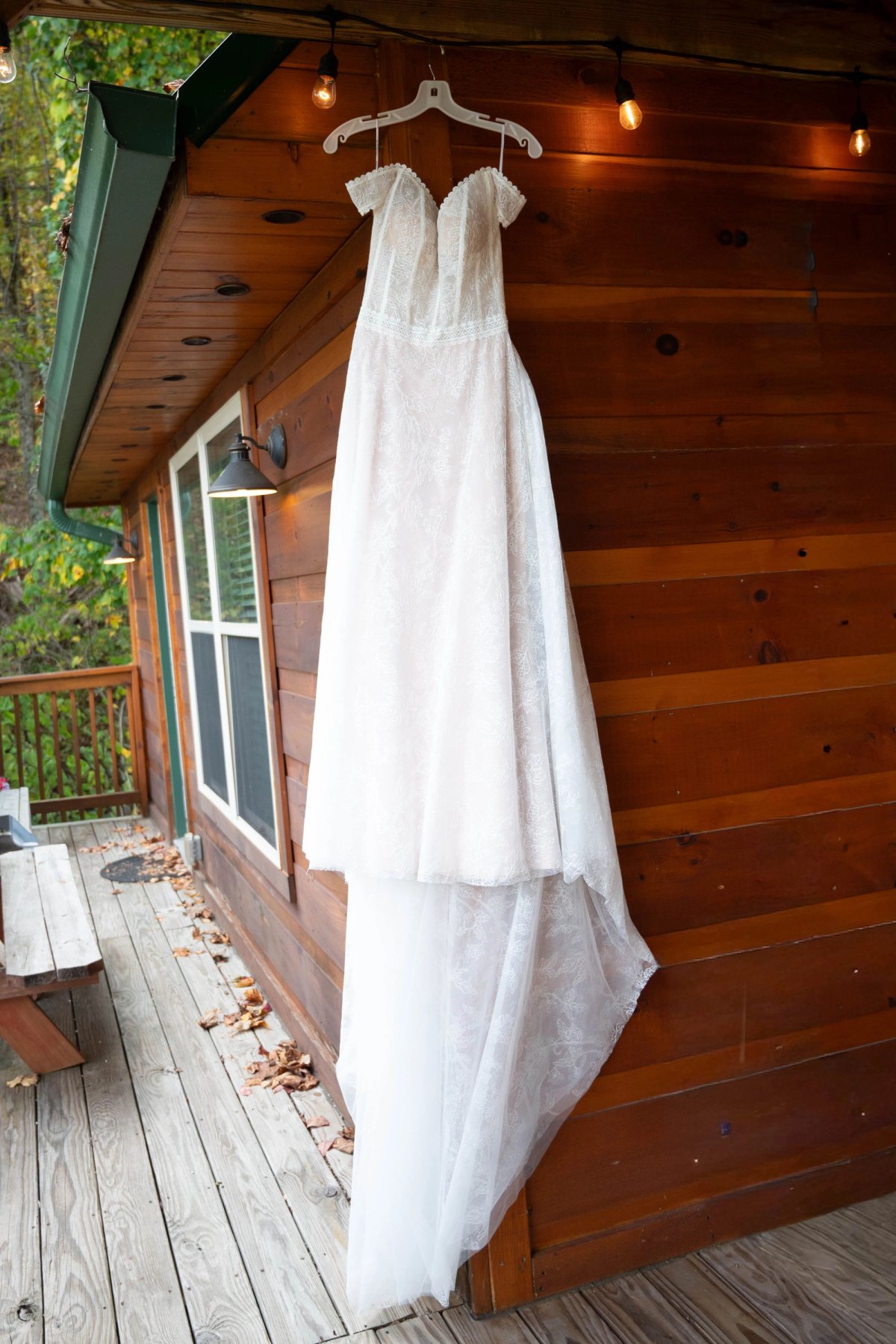
Grand Haven — 20251025untitled-DSC_3130
When They Push Back on the Guest List
You'll often hear: "What about Aunt Linda?" or "Your cousin is going to be devastated."
Script: "I understand, and I know this is hard. We had to make some really difficult decisions about the guest list because the venue only accommodates [X] people and we wanted the experience to feel intimate. We're keeping it to [immediate family / both sides of the immediate family / the closest ten people]. It wasn't a decision we made lightly."
What you don't say: "We just don't really know Aunt Linda that well." Even if true, it invites an argument. Keep it about logistics and the experience you're creating, not about relative closeness.
When They Ask Why You're Not Having a "Real" Wedding
Script: "We are having a real wedding — it's just a different kind. We wanted the ceremony to feel personal and connected instead of like a large event, and we wanted everyone who's there to actually be able to talk to each other throughout the weekend. A big reception doesn't make a marriage more real — this is just what feels right to us."
Then stop. You don't owe an apology for your wedding choice.
When They Want to Help Plan or Pay
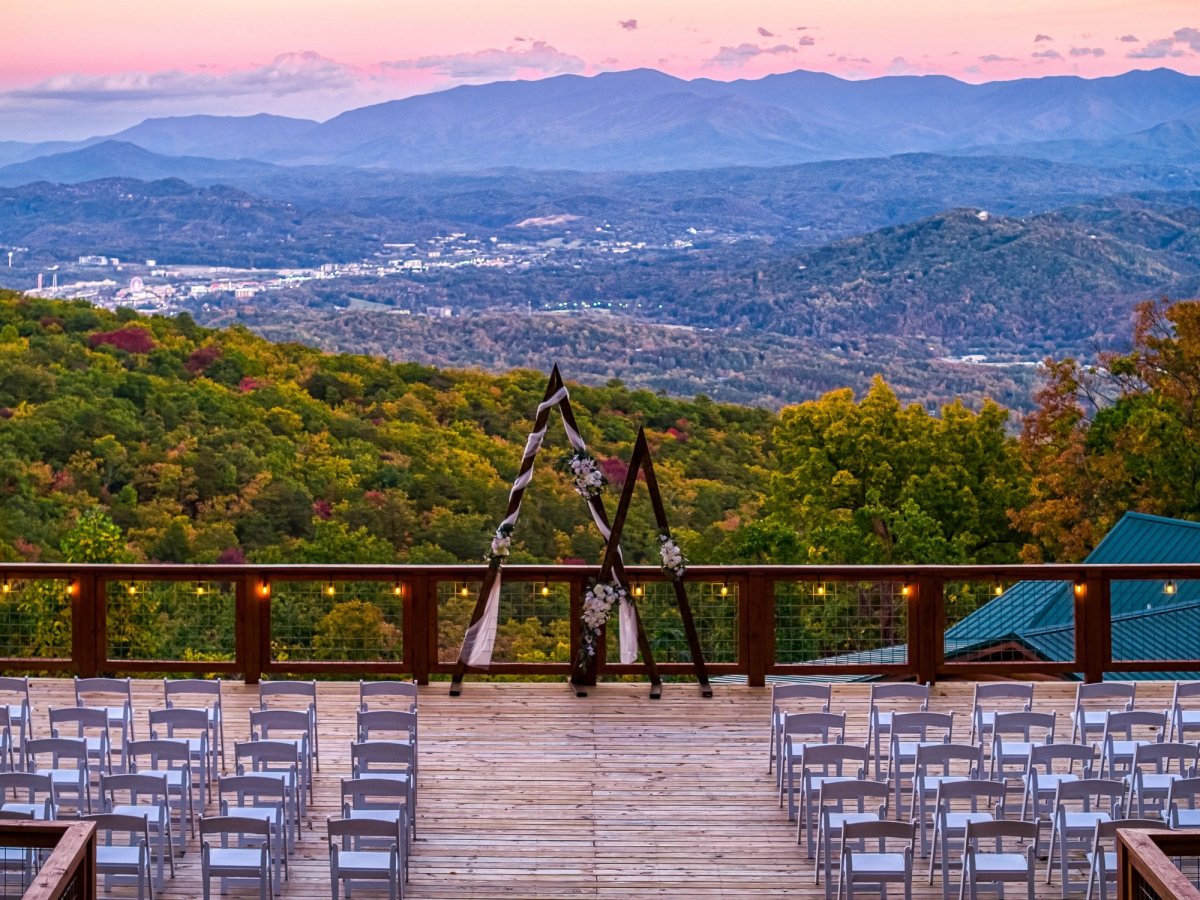
Grand Haven — 1(12)
This is its own minefield. If parents want to contribute financially, that's wonderful — but money sometimes comes with guest-list opinions.
Script: "We're really touched that you want to contribute. We'd love that. What we need help with most is [photography / catering / flowers]. The one thing we need to keep is the guest list as planned — the venue and the intimacy of the weekend depend on it being small. Can we work within those terms?"
If they say no — if their contribution is conditional on more guests — you need to decide whether accepting it on those terms is worth it. Usually it isn't.
The People Who Aren't Invited: What to Tell Them
Extended family and friends who aren't on the list will find out. Have a simple sentence ready: "We had a very small ceremony in the mountains — just immediate family. We're planning to celebrate more broadly when we're back, and we'd love to get together then."
Don't lie and say there was no wedding. Don't apologize extensively. A warm, brief explanation followed by a genuine plan to celebrate with them later handles most situations gracefully.
After the Conversation
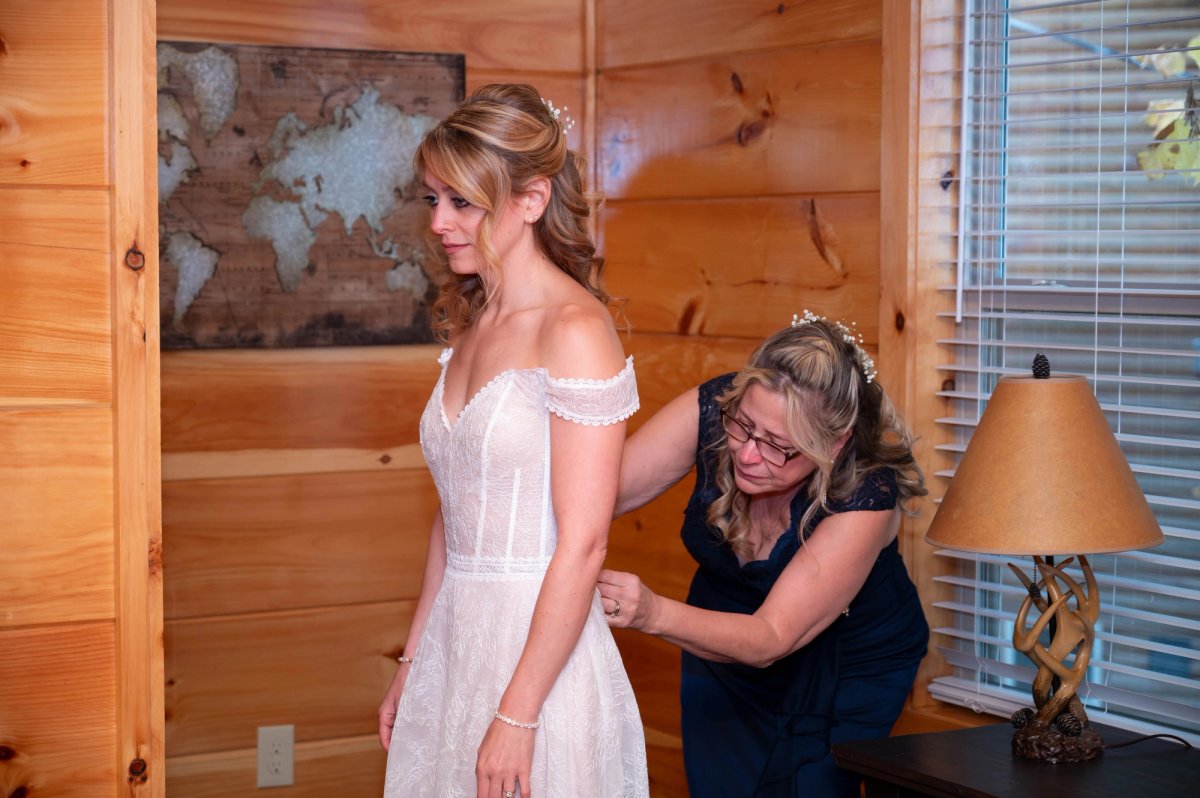
Grand Haven — 20251025untitled-DSC_3172
Give people time to adjust. The first reaction is often the most emotional one. Most family members, once they realize they're not being excluded out of malice, come around. The ones who don't — well, that's information too.
If you're in the planning stage and still figuring out your guest count, our venues accommodate up to 60 guests with on-site lodging for the full group. Understanding the physical capacity of your venue often helps when having these conversations — it gives you a concrete, non-personal reason for the limit.
Why More Families Are Coming Around
Micro-weddings are becoming more common. Research from the University of Florida published in 2025 found that the shift toward intimate weddings has moved from pandemic necessity to intentional choice — which means more families have already seen a cousin or sibling have a micro-wedding and watched it go beautifully.
"Before the pandemic, many couples felt pressure to host large, traditional celebrations with all the "essentials." COVID made it socially acceptable to have smaller weddings."
— Rayven Crisafulli, University of Florida Department of Tourism, Hospitality and Event Management
That social permission is real and worth naming to your family. This isn't a fringe choice. The guest list compression is an industry-wide trend — the average wedding size dropped from 131 guests in 2019 to 117 today — and the couples doing it aren't cutting corners, they're making a deliberate decision about what matters most.
For more on what a mountain micro-wedding actually involves, share our complete planning guide with family members who want more context before the conversation.
"I think, through COVID, people are understanding that micro weddings and small weddings are just as joyous and just as big of a celebration."
— Shannon Kennedy, Owner, Kennedy Event Planning, quoted in Global News
Kennedy's point — made to Global News — is worth sharing directly with family members who may still associate "small wedding" with a budget compromise. The format has been normalized. Most guests who attend a micro-wedding come away saying it was one of the best weddings they've been to.